

How to Select a Horizontal Lathe for Heavy-Duty Work?
Decoding the Essential Specifications for Maximum Power
Selecting the ideal horizontal lathe for heavy-duty machining is one of the most vital decisions for manufacturing teams. It is not merely a simple equipment purchase, but a long-term strategic investment that determines factory production capacity, operational efficiency and overall profitability.
When processing large workpieces and removing large volumes of hard materials, priority must be given to core power specifications. The main motor power is the core power source of heavy-duty lathes. Insufficient motor power will lead to slow cutting speed, poor surface finish and even tool stall during mid-cut processing.
Buyers need to match motor power according to workpiece material hardness and density. Meanwhile, swing over bed and maximum turning length must be confirmed first. These core dimensions decide the maximum processing range, meeting both current production demands and future expansion needs.
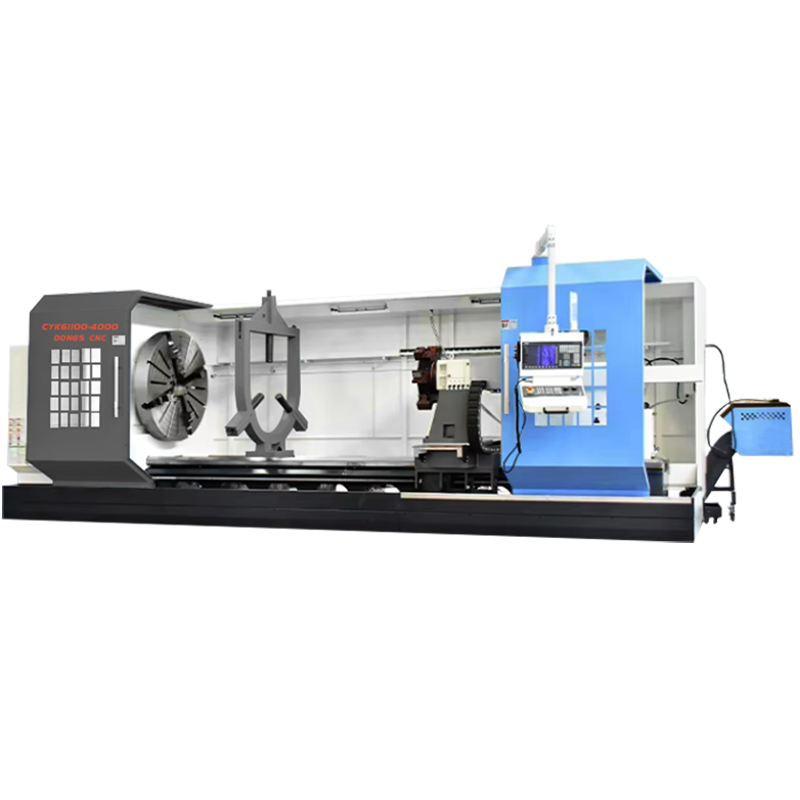
Evaluating Structural Integrity for Uncompromising Stability
Sufficient power means nothing without stable machine structure. Anti-vibration performance and overall rigidity are the core indicators of qualified heavy-duty horizontal lathes.
High-grade heavy-duty lathes adopt massive integral bed made of high-quality HT300 gray iron, instead of light welded structures. This high-density cast iron material has excellent natural vibration damping performance. It can effectively absorb strong cutting vibration generated during heavy roughing, avoid vibration marks on workpieces and protect cutting tools.
Superior structural rigidity ensures the machine maintains stable high-precision machining and perfect surface finish even under long-time, high-intensity heavy cutting conditions.
Balancing Initial Investment with Long-Term Value
Many factories tend to choose low-priced equipment in procurement, which easily causes invisible high costs in later production. Low-quality lathes suffer fast wear, unstable machining tolerance and high scrap rate, and are prone to frequent failures leading to long unplanned downtime.
Professional procurement should focus on total cost of ownership rather than only initial purchase price. Premium well-engineered heavy-duty lathes can greatly reduce tool loss and maintenance costs, keep long-term stable operation, and bring higher long-term return on investment.
Customizing Configurations for Specific Production Needs
Modern manufacturing scenarios are diversified, so standardized single configuration cannot satisfy all production demands. Excellent heavy-duty horizontal lathes support flexible personalized configuration.
Enterprises can select matched CNC systems including Fanuc, Siemens and other mainstream platforms according to worker operation habits. Users can also choose hydraulic turrets for strong clamping force or high-speed servo turrets for efficient multi-tool machining. Meanwhile, fully enclosed safety guard and automatic doors can be equipped to fit workshop safety management standards.
Partnering with Manufacturers for Ongoing Success
Purchasing heavy-duty horizontal lathes is not a one-time deal, but establishing long-term stable cooperation with reliable manufacturers. Such large-scale heavy processing equipment requires strong engineering strength and perfect after-sales support.
Dongs Solution focuses on R&D and production of high-rigidity heavy-duty lathes, strictly controlling every production process in-house. Our equipment is fully adapted to various harsh heavy processing working conditions.
With responsive 24-hour technical support system, we help global manufacturers keep stable, efficient and profitable heavy-duty machining production for a long time.