

Yatay Tornalama Merkezi İçin İdeal İş Parçası mı?
Gelişmiş Tornalama İçin Mükemmel Uyumu Belirleme
Bir imalat tesisinde yüksek performanslı bir yatay torna merkeziyle üretim alanı yenilendiğinde, hemen ortaya çıkan operasyonel soru, bu önemli teknolojik yatırımın en çok hangi bileşenlerden fayda sağlayacağının belirlenmesidir. Basit işleri yapan temel makinelerin aksine, gelişmiş bir yatay torna merkezi karmaşıklıkta çalışır ve geleneksel tornalama sınırlarını zorlayan görevleri gerektirir.
Bu makine sınıfı için ideal iş parçası, basit ve doğrusal bir pim ya da temel bir silindirik çubuk değil; aksine, mutlak geometrik mükemmellik ve son derece verimli malzeme kaldırma gerektiren, çok yönlü ve son derece karmaşık bir bileşendir. Doğasında zorlu profilleri, karmaşık iç delik işlemleri gereksinimlerini, asimetrik frezeleme özelliklerini ve inanılmaz derecede dar toleranslar gerektirmesini içeren bileşenler, bu tür makineler için mükemmel adaylardır. Üretim mühendisleri, bu özel türdeki karmaşık parçaları tanımlayarak torna merkezinin inanılmaz rijitliğini, hızını ve çoklu görev yeteneklerini tam olarak kullanabilirler; böylece toplam üretim çevrim süreleri büyük ölçüde azaltılır ve farklı iş istasyonları arasında maliyetli ikincil elleçleme işlemlerine tamamen gerek kalmaz.
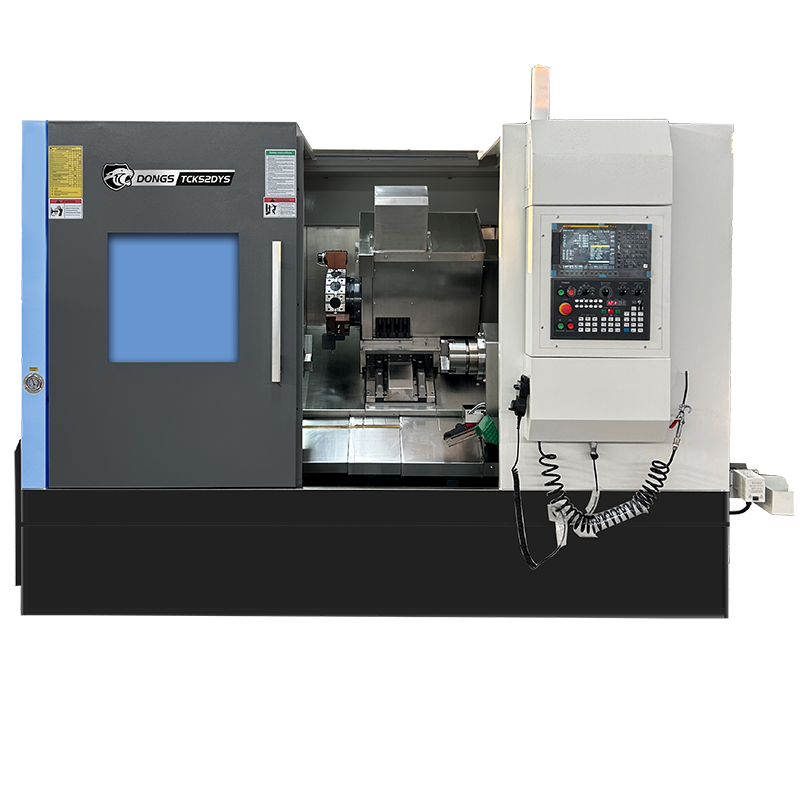
Hassasiyette Eğimli Yatak Mimarisinin Egemenliği
Belirli iş parçalarının neden ideal olduğunu tam olarak takdir edebilmek için, yatay torna merkezinin yapısal mükemmelliğini, özellikle ağır iş yüküne dayanıklı eğimli yatak mimarisini göz önünde bulundurmak gerekir. Geleneksel düz yataklı tornalar, uzun süreli ağır iş yüküne dayalı sürekli kesme işlemlerine maruz kaldıklarında talaş birikimi ve termal bozulma ile genellikle zorlanır.
Buna karşılık, genellikle 45 derece gibi dik bir açıda tasarlanan eğimli yatak yapısı, ağır metal talaşların ve sıcak soğutma sıvısının aktif kesme bölgesinden kolayca uzaklaşmasını sağlamak için yerçekiminden yararlanır. Bu yapısal avantaj, makinenin en uygun iş parçasının, dövme ham maddeler veya büyük katı metal ingotlar gibi hızlı ve büyük miktarda malzeme kaldırılması gereken parçalar olduğunu gösterir. Eğimli yatak tasarımı doğası gereği üstün fiziksel rijitliğe sahip olduğu ve kesme titreşimlerini etkili bir şekilde bastırdığı için bu zorlu malzemelerin işlenmesinde öne çıkar ve kusursuz bir yüzey kalitesi sağlar. Makine tamamen sabit kalır; bu nedenle büyük bir iş parçası agresif, yüksek hızda ve ağır kesme işlemine tabi tutulduğunda bile son boyut hassasiyeti tamamen bozulmaz ve bu da onu kritik endüstriyel ve ağır makinelerin bileşenleri için ideal kılar.
Karmaşık Geometrileri Kolaylıkla Gezinme
Bir güçli kuleye sahip yatay torna merkezi için ideal bir iş parçasının tanımlayıcı özelliklerinden biri, karmaşık ve simetrik olmayan geometrilere sahip olmasıdır. Modern otomotiv şanzıman millerinin veya ağır ekipmanlarda kullanılan özel hidrolik manifoltların karmaşık tasarımlarını düşünün. Bu parçalar sadece basit dairesel tornalama işlemi gerektirmemektedir; aynı zamanda titizlikle freze ile işlenmiş düz yüzeyler, kesin olarak delinmiş çapraz delikler, merkez dışı diş açma ve karmaşık dış çoklu dişli (splines) işlemlerini de gerektirmektedir.
Standart bir makine, operatörün ana şekli tornalamasını, parçayı dikkatlice çıkarmasını, ayrı bir freze tezgâhında özel bir sabitleme aparatı inşa etmesini, parçayı tam olarak yeniden hizalamasını ve ardından ikincil özellikleri kesmeye çalışmasını gerektirirdi. Yatay torna merkezi, bu aynı karmaşık parçayı tek bir, kesintisiz kurulumda işler. Gelişmiş Y-ekseni fonksiyonunun entegrasyonu, kesici takımların mandren eksen çizgisinden tam olarak saparak düz cepeler ve karmaşık konturları mutlak hassasiyetle oluşturmasını sağlar. Dolayısıyla, bir parçanın geometrisi ne kadar karmaşıksa ve işlenmesi için gerekli olan farklı imalat operasyonlarının sayısı ne kadar yüksekse, o parça torna merkezinin gelişmiş çoklu görev ortamına o kadar mükemmel uyum sağlar.
Malzeme Çeşitliliği: Havacılık Alaşımlarından Tıbbi Plastiklere
İdeal iş parçası, aynı zamanda hangi malzemeden üretildiğiyle de belirlenir. Modern yatay torna merkezleri, büyük tork ve kesme gücüne sahip olacak şekilde tasarlanmıştır; bu da onları endüstriyel malzemelerin geniş bir yelpazesinde son derece çok yönlü hale getirir.
Havacılık sektöründe bileşenler genellikle Inconel gibi aşırı sert, ısıya dayanıklı süperalaşımlardan veya havacılık sınıfı titanyumdan üretilir. Bu malzemeler makine ile işlenmesi son derece zor olan ve makinenin mutlak rijitliğe sahip olmadığı durumlarda standart kesici takımları hızla yok eden malzemelerdir. Yatay torna merkezi, bu zorlu alaşımları sorunsuz bir şekilde işleyebilir; bu nedenle yüksek kritiklikte havacılık motoru bileşenleri için ideal bir seçimdir.
Buna karşılık, tıbbi cihaz endüstrisinde iş parçaları genellikle eklem protezleri veya cerrahi aletler için kullanılan özel teknik plastiklerden veya paslanmaz çelikten oluşur. Bu parçaların, malzemeyi eritmeden veya bozmadan mükemmel, ayna parlaklıktaki bir yüzey elde edebilmesi için son derece hassas bir dokunuş ve yüksek devirde çalışan bir iş mili gerektirir. Döner tezgâhın son derece kontrollü hassasiyeti, bu tür hassas ve yüksek hassasiyetli tıbbi uygulamalar için de eşit derecede uygundur; bu da ağır kesme işlemlerinden ultra ince mikro işleme kadar uzanan etkileyici bir uyarlama yeteneğini gösterir.
Çıktı Kalitesini ve Tutarlılığını En Üst Düzeye Çıkarma
Sonuç olarak, ideal iş parçalarını yatay döner tezgâha yönlendirme ve atama işlemiyle sağlanan en derin değer, üretim tutarlılığında ve işletme karlılığında kaydedilen büyük ölçüdeki iyileşmedir. Karmaşık parçalardan oluşan büyük partilerle çalışırken, elle parça taşıma ve yeniden sabitleme sırasında yapılan insan hatası, kusurlu ürün oluşumunun ve hurda malzeme kaybının başlıca nedenidir.
Karmaşık bir mil veya ayrıntılı bir disk parçası gibi bileşenlerin üretim sürecinin tamamını tek bir otomatik makine döngüsüne entegre ederek, torna merkezi, üretilen ilk parçanın bininci parça ile tamamen aynı olmasını garanti eder. Bu olağanüstü tekrarlanabilirlik, parçaların büyük ölçekte kusursuz şekilde monte edilmesi gereken otomotiv imalatı gibi sektörler için hayati öneme sahiptir.
Son derece yetenekli makinelerde yatırım yaparak şirketler, üretim operasyonları için sağlam bir temel oluşturur. Dongs Solution, bu kritik ihtiyacı mükemmel şekilde anlayarak, kapsamlı araştırmalara dayanan ve inanılmaz derecede dayanıklı ekipmanlar sunar; bu ekipmanlar karmaşık tornalama görevlerini kolaylıkla yerine getirir. Yüksek güvenilirlikte takım tezgâhları üretmeye yönelik bağlılıkları, üstün iç üretim kapasitesi ve 7/24 müşteri desteğiyle birleştiğinde, işletmelerin sürekli olarak en yüksek çıktı kalitesini elde etmelerini ve küresel piyasada sert rekabet avantajı sağlamalarını sağlar.